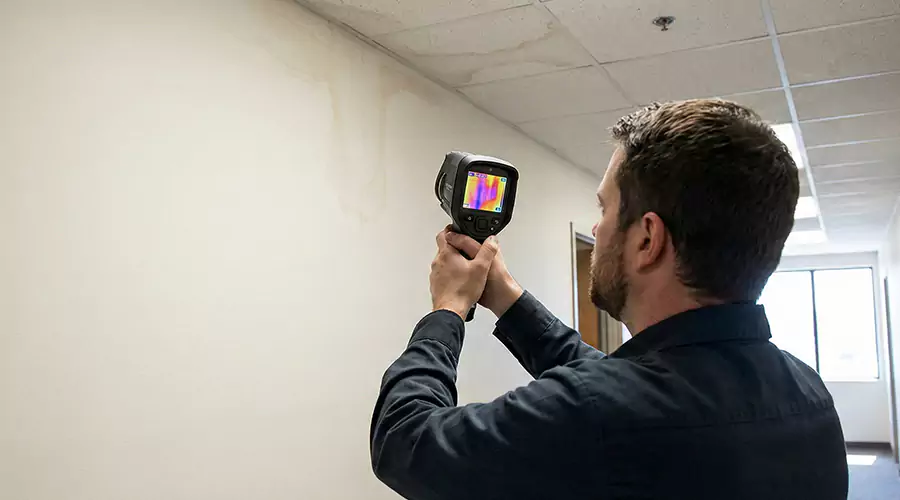




When water damage strikes a home or business, the visible wet spots are just the beginning of the problem. Hidden moisture — trapped beneath floors, inside walls, or behind ceilings — can lead to mold, structural damage, odors, and costly repairs if not properly detected and treated. That’s where moisture detection technology becomes one of the most critical tools in professional water damage restoration. This technology helps specialists find, measure, and monitor moisture through every stage of the restoration process. Let’s explore how it works and why it matters.
Moisture detection technology refers to advanced tools and methods that identify water‑affected areas and determine moisture levels in materials without unnecessary damage to the property. These devices go far beyond simple visual inspection and enable restoration professionals to act with precision.
Key types of moisture detection tools include:
Each tool plays a specific role in identifying dampness and guiding restoration decisions.
Below is a detailed look at how moisture detection technology supports effective water damage restoration.
One of the biggest challenges after water exposure is locating moisture that isn’t visible to the naked eye. Water can travel far from the initial source, hiding deep within structural materials.
Moisture meters and thermal imaging cameras:
Infrared thermal imaging, in particular, highlights temperature changes caused by moisture, making it possible to visualize damp areas without damaging the property.
Unlike older methods that required drilling holes or removing sections of drywall to check for moisture, modern sensors and cameras work non‑invasively.
For example:
This non‑destructive approach preserves the property’s structure and minimizes unnecessary demolition.
When restoration teams know exactly where moisture is located, they can target their efforts more efficiently. This precision helps in several ways:
By using advanced techniques as part of professional Water Mitigation Services, targeted drying also limits the spread of moisture into unaffected parts of the property, accelerating overall restoration.
Hidden moisture that is not detected early can cause serious secondary problems, such as:
Moisture detection tools help professionals find and eliminate these pockets of moisture before they lead to long‑term damage.
Moisture detection technology isn’t just for the initial inspection — it’s used throughout the entire drying process.
With tools like hygrometers and remote monitoring systems, restoration teams can track real‑time data on:
This data helps them decide when the area is fully dry and ready for final repair, reducing the risk of residual moisture being overlooked.
Insurance claims for water damage often require thorough documentation. Moisture detection technologies provide objective, detailed evidence that supports your claim.
Examples include:
These visual and numeric records help justify the cost and scope of restoration work to adjusters and claim reviewers.
Moisture detection reports help bridge the information gap between technicians and property owners. What may look dry on the surface could be saturated underneath — and these tools help professionals show you exactly what’s happening.
Thermal images and moisture maps give homeowners clear visual evidence of the problem and the progress of the restoration. This boosts trust and transparency throughout the project.
| Tool | Purpose |
|---|---|
| Pinless Moisture Meters | Scan for moisture without damaging surfaces |
| Pin Moisture Meters | Measure moisture inside materials using probes |
| Infrared Thermal Imaging Cameras | Detect temperature differences that reveal hidden moisture |
| Hygrometers | Monitor humidity in the air |
| Moisture Mapping Software | Create detailed visual moisture maps |
Moisture detection technology is essential to modern water damage restoration. These advanced tools help professionals locate hidden moisture, dry spaces more efficiently, prevent secondary damage, and provide compelling documentation for insurance claims. Whether your property has a minor leak or major flooding, moisture detection ensures that repairs are complete and that no damp areas are left behind — protecting both your investment and your health.
Our certified experts are ready 24/7 to assist you with emergency restoration services.
GET A QUOTE